Beginner Rowing: Forgot to Mention
As a beginner rower, a whole new world opens up to you. There are a million things that feel like basic knowledge for experienced rowers, but are not to you. This list covers some of these things, to help beginner rowers get through their first season and every experience that comes with it.

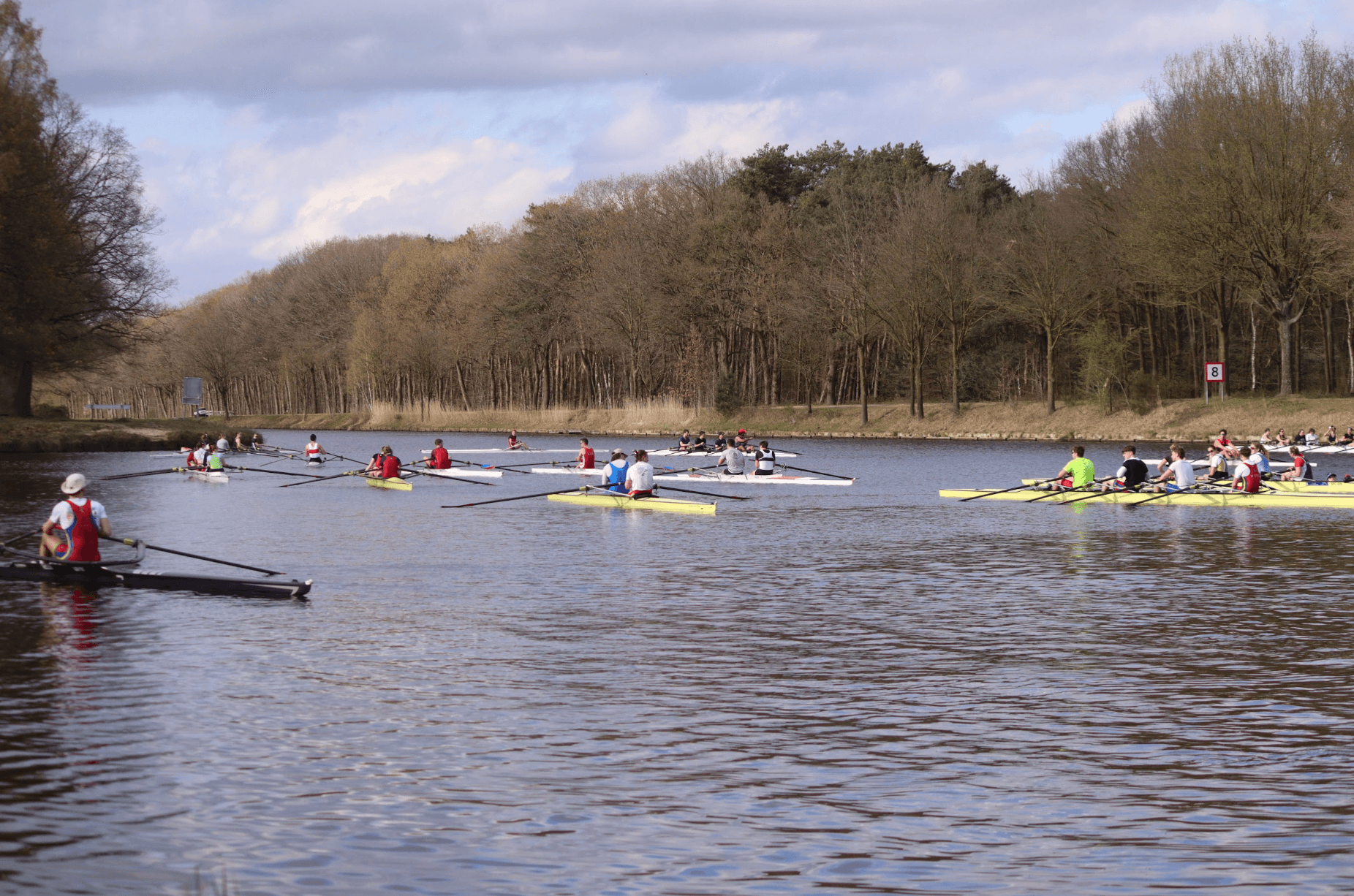
This list consists of themes submitted by last season's beginners and can differ per boat club and coach. Coaches and committees often forget some details around rowing, since they have been in the sport for a longer period of time and most things feel logical and automatic to them. Therefore, they might forget to mention some things, or not realise that this is not basic knowledge to new people in the sport. This list goes over a few of those realizations, submitted by rowers who were in your position recently.
Money
Sad but true. Rowing is a relatively expensive sport. Next to your membership, there are fees for racing, kit to buy, and other costs you do not think of when starting. Most student rowing clubs have a membership of between £200 and £350 on a yearly basis. Next to this, all racing students must have a British Rowing Student Membership (around £50). Race fees separately are usually between £10 and £35 per seat (with a few races being more expensive) and trailer transport fees can be added to that. An average new all-in-one costs around £60, and the costs of layers for winter, rain, and other weather add up quickly to that. Most clubs organise a camp as well, which is highly fun, useful, and fully recommended, but can also easily add £500+ to the yearly costs. All in all, it is absolutely worth it, but it is something to keep in mind when you are planning and allocating your budget for the year.
Appropriate kit
Touching upon the rowing kit, appropriate kit is another important factor. Especially in winter it is important to have enough layers, dry spares, and clothes for afterwards. When you do multiple sessions a day, make sure you do not have to reuse any of your clothing from the first session (yes, this includes socks and underwear), as it could be soaked by the time you are done (and soaked clothes in winter = freezing cold). Also always bring a towel with you, beginners are known to be quite splashy, and when you get into small boats for the first time you’d better be safe than sorry.
Anything can happen in racing
In any race, but especially in beginner races, anything can happen. For the first few months, you have no clue how beginners at other universities train, and how fast they are. In the first races, anything can happen. Even if a beginner crew is faster than you on paper, beginners tend to crab or steer into the bank every now and then, leading to different results immediately. Beginner rowing is a perfect example of you racing yourself, since you do not know how the others race. Enjoy the ride, and try to become the fastest you can. It will be rewarded sooner or later.
Rowing is a team sport
Yes, when you are in a single you row alone. However, most of the time you will find yourself in a crew boat, and 100% of the time you will find yourself in a supportive club atmosphere. The social aspect of rowing is huge, commitment and cooperation are not only social cues, but also necessary to make boats go fast. This could create some difficulties when things do not go as you trained for. To prevent social difficulties and to enhance the fun and supportive culture rowing brings, make sure you do things outside of the boat together! Think of dinners, social nights, a coffee after training, or other activities. Since you share the highs and lows together, and see each other up to six days a week, it is really beneficial to spend some time bonding!
Your first race days
Race days are LONG. There is no other way to put it. However, they are also very enjoyable - if you prepare well. Most race days and weekends take up lots of hours from transport, to rigging, to race prep, helping other crews, racing, derigging, eating, resting, and more. Prepare very well for your first race days. Bring spare kit where possible, bring loads of food and (liquid) carbs - more than you think you need. Do not forget your rigger jigger, startool, and other tools you might need for the boats. Be ready for chaos, last minute things, and helping out other crews with boating. Cheer for your club and enjoy their cheering during your own race. Next to all this, do not forget to embrace the fun!
After this, you might think rowing is a lot. Do not get me wrong, it absolutely is. But next to a lot of time, commitment, and effort, it is mainly a lot of fun. Being prepared in these areas will lead to even less stress and simultaneously more enjoyment. Did I forget something? Reach out and it will be included in the next part!
Related coverage
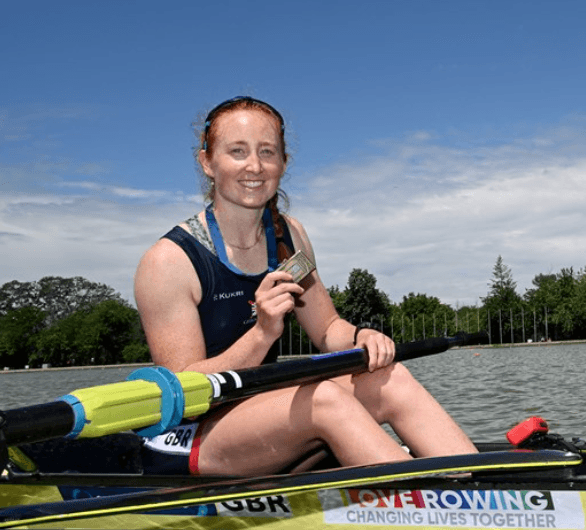

Eleanor Brinkhoff, European Champion
Coming off the back of winning European Gold in the Womens Coxless four, Eleanor Brinkhoff answered some of our questions.
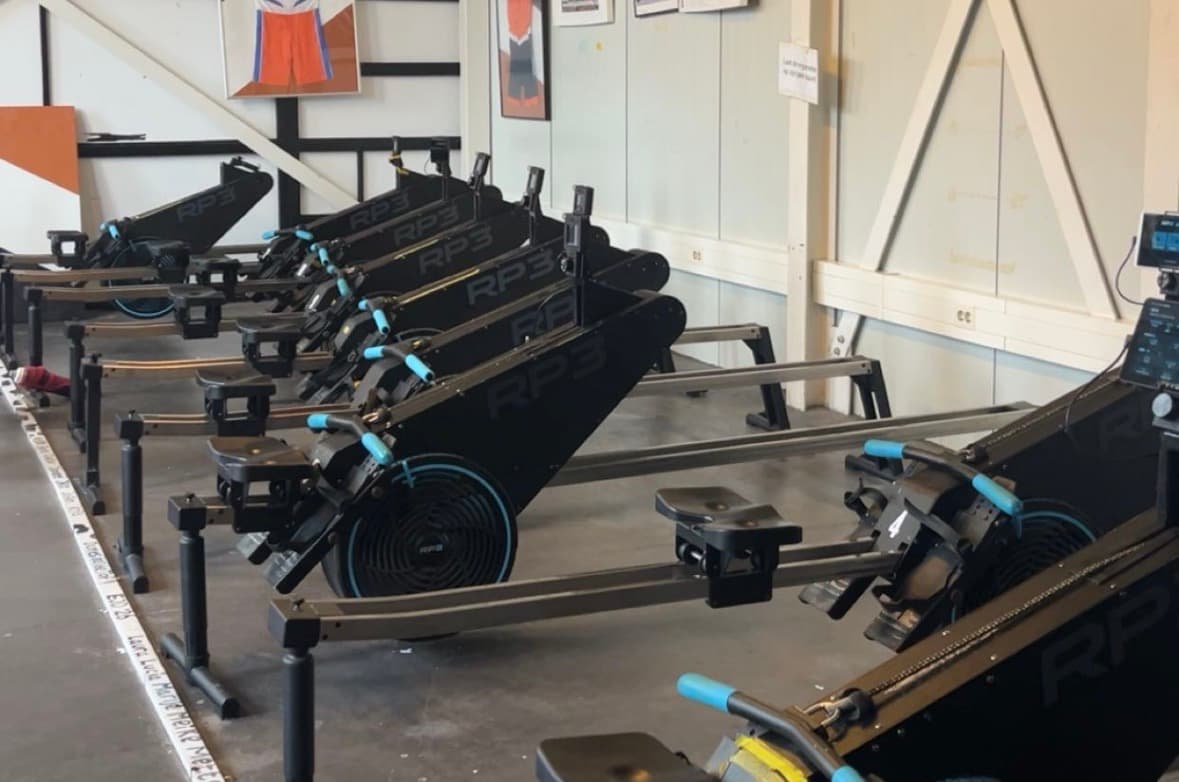

The Best Erg Music - an Overview of Different Training Intensities
Music is one of the biggest mental supporters during training on the erg, bike, and during weight sessions. Especially on the erg, it is an amazing feeling if your music matches your stroke rate. This article will help you find the right bangers for each session.
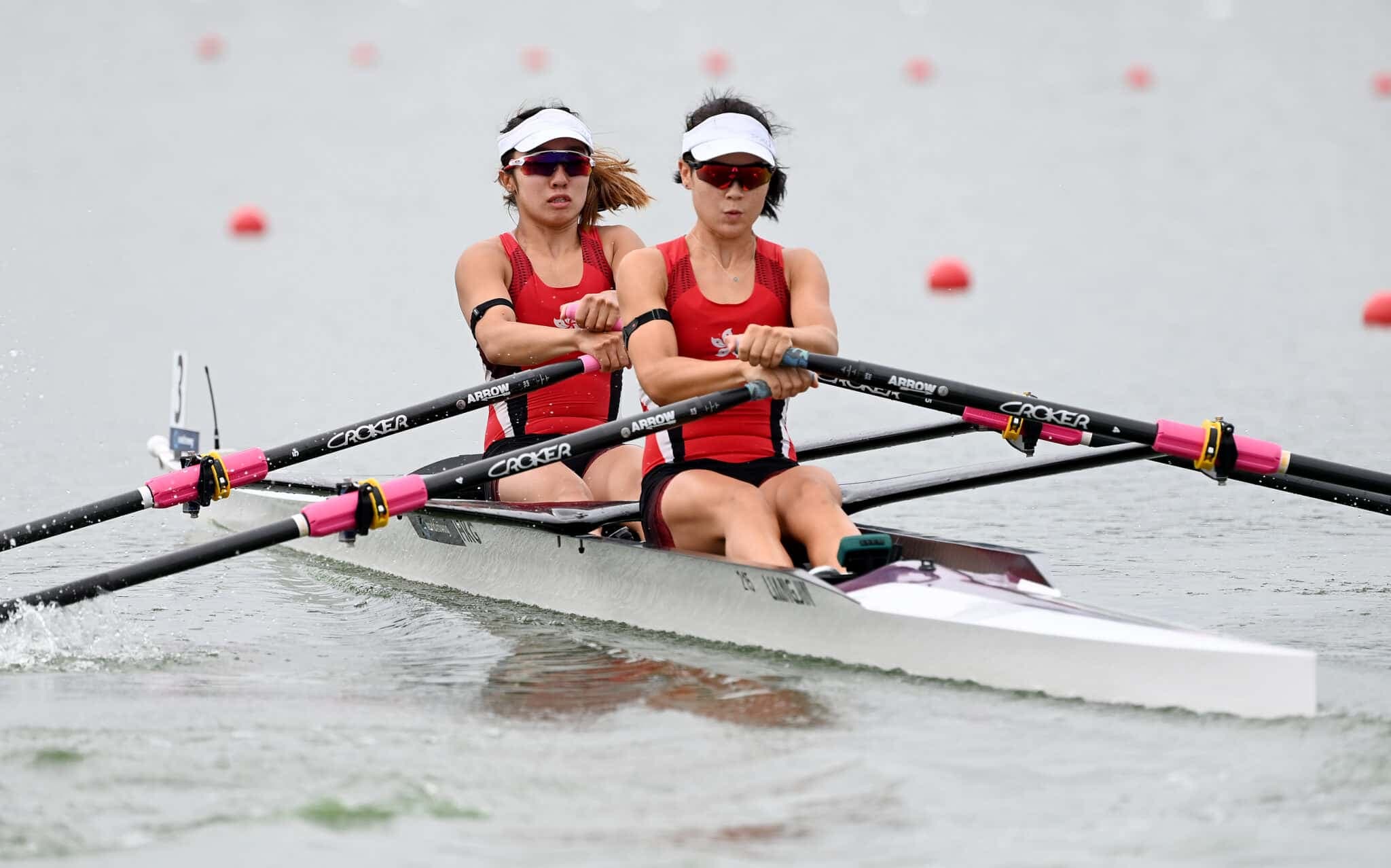
What its like to row at worlds, Claire Burley
This week I had the chance to ask Claire Burley, a member of the Hong Kong national rowing team, what it has been like to row at World Championships and represent your country.